
Polycarbonate is a popular material for roofing, glazing, and outdoor structures. One of its key benefits is its ability to block harmful UV (ultraviolet) radiation. While the fact is that Polycarbonate (PC) sheets do not inherently possess long-term UV resistance. Without special treatment, prolonged exposure to sunlight will cause photodegradation, leading to yellowing, brittleness, and loss of strength.
To overcome this weakness, commercially available industrial-grade PC sheets typically employ two methods to achieve UV resistance:
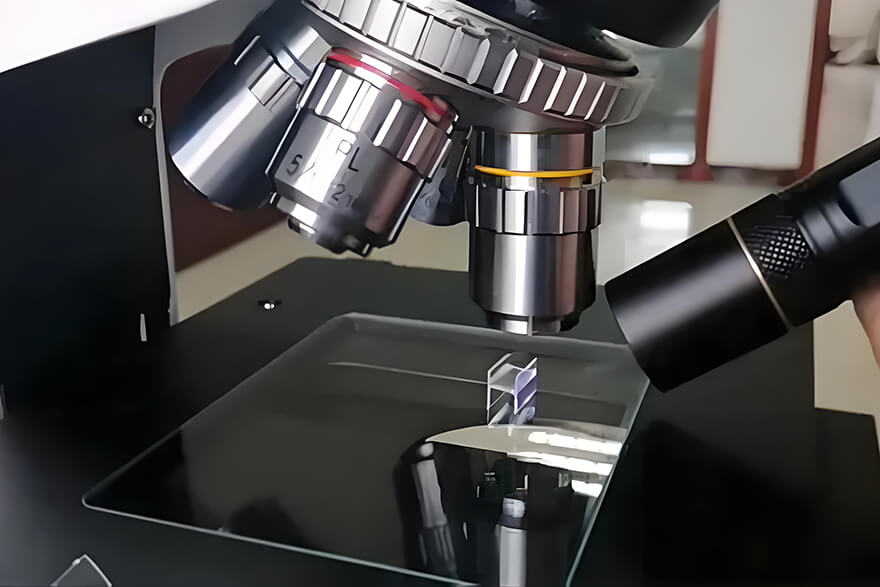
UV Coating (Co-extrusion Technology): During production, a high-concentration UV absorber is applied to the surface of the sheet through a co-extrusion process. This protective film can block approximately 98% or more of harmful UV rays, thus extending the sheet’s outdoor lifespan (typically over 10 years).
Modified Additives: UV absorbers are directly mixed into the resin raw materials, giving the entire sheet a certain level of protection, but the protective efficiency is usually slightly lower than that of a surface coating.
Protection Direction
When purchasing, note that most PC sheets are only UV-resistant on one side. During installation, the side with the protective film (usually with instructions) must face the sun; otherwise, the sheet will age rapidly within 1-2 years.
**If you would like to know the advantages of polycarbonate sheets, please kindly check the post [What are advantages of polycarbonate sheets?]
Leave A Comment