
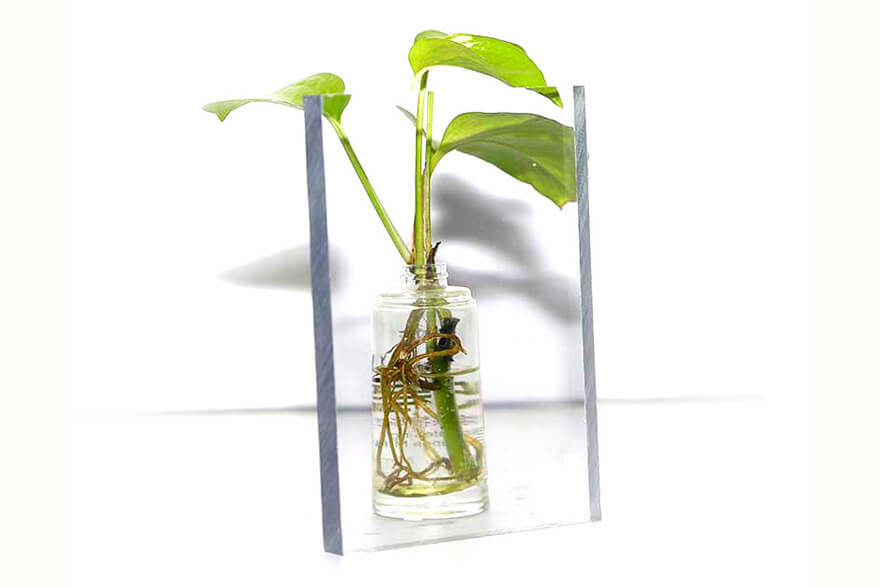
Identifying poor-quality PC boards can be done quickly using the following simple steps:
1. First, observe the light transmission and color to identify recycled materials at a glance.
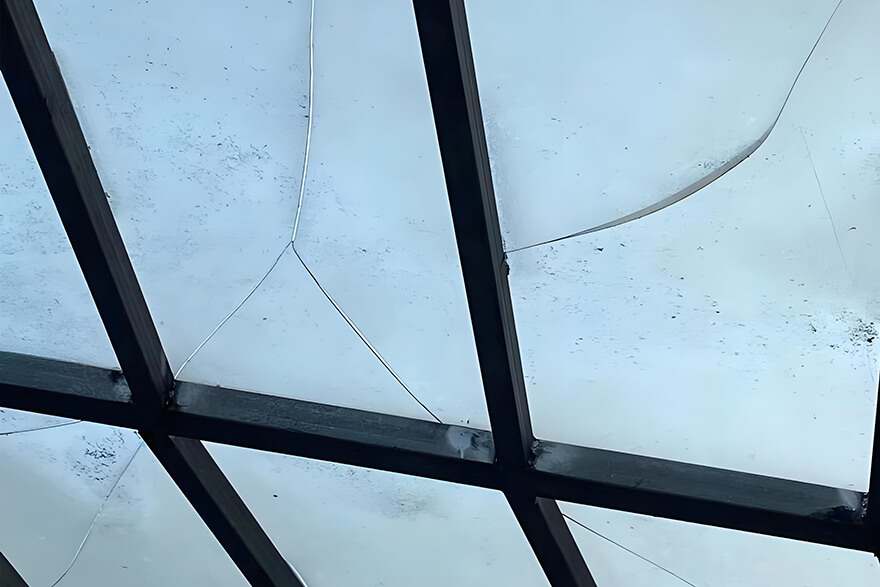
Characteristics of poor-quality boards: When viewed against the light, the overall appearance is hazy and yellowish, the color is dark and uneven, and obvious black spots, pits, and impurities can be seen. The light transmission is significantly low, and the color varies in shade even within the same board.
Core reason: These are basically processed from recycled waste materials. The raw materials themselves contain many impurities, and their physical properties have been severely degraded. They will crack and yellow after about 3 years of use.
2. Inspect the appearance details to spot processing defects at a glance.
First, look at the protective film: The protective film on poor-quality boards is not evenly applied and easily peels off prematurely, indicating a rough processing technique.
After peeling it off, look at the surface: The surface of poor-quality boards is uneven, with obvious scratches, pits, bumps, small bubbles, horizontal lines, and wavy lines.
These defects not only affect the appearance but also allow ultraviolet rays to penetrate more easily, accelerating the aging of the board.
3. How to determine if the UV layer has been made with inferior materials. For specific methods, please refer to the previous post: <How to know if a manufacturer has reduced the thickness of the UV layer?>
Leave A Comment